
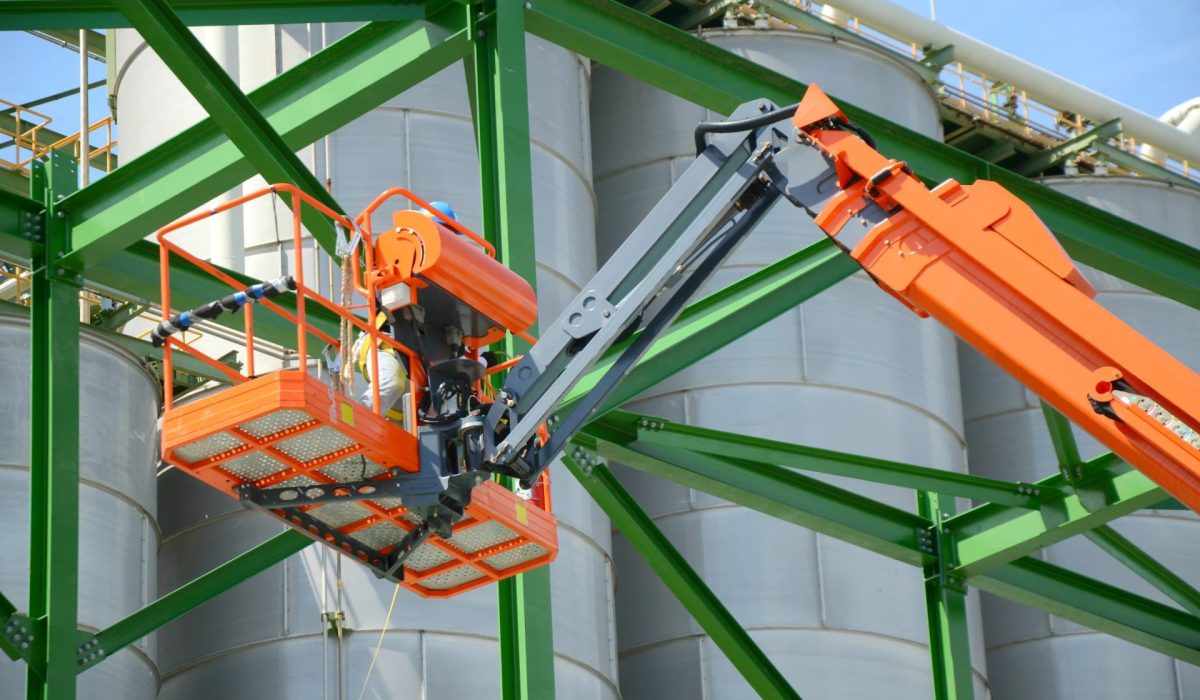
Articulated Boom Lift: Complete Guide to Features, Uses & Safety
An articulated boom lift is one of the most versatile pieces of aerial equipment available today, enabling operators to access elevated or hard-to-reach work areas with precision and stability. Whether you’re navigating obstacles, working indoors, or handling outdoor jobsite demands, this equipment is designed to support a wide range of professional applications across construction, maintenance, industrial work, and more. This guide explains what an articulated boom lift is, how it works, where it’s used, and what safety practices operators should follow.
What Is an Articulated Boom Lift?
An articulated boom lift is an aerial lift featuring multiple jointed sections, allowing the boom to bend, extend, and maneuver around objects or tight areas that straight lifts cannot reach. Its articulated arm makes it ideal for both indoor and outdoor work where obstacles such as beams, shelving, machinery, or building structures make direct vertical access impossible. These lifts are widely used by contractors and facility managers who need reliable elevation, controlled movement, and enhanced positioning capabilities.
Key Features of Articulated Boom Lifts
Flexible Reach and Maneuverability
One of the top advantages of an articulated boom lift is its ability to articulate around corners, over barriers, and into tight or elevated work zones. The multi-joint structure offers exceptional horizontal and vertical versatility.
Compact Design for Tight Spaces
Articulated boom lifts often come in compact chassis designs that can fit through narrow pathways, indoor aisles, or constrained job sites. Their reduced footprint allows precise navigation without sacrificing functionality.
Height and Outreach Capabilities
These lifts are engineered to reach significant heights while extending outward to areas that might otherwise require scaffolding. Their combination of vertical elevation and horizontal outreach makes them a highly efficient choice.
Power Options: Electric vs. Diesel
Electric articulated lifts are ideal for indoor or emission-sensitive environments, offering quiet operation and zero exhaust. Diesel models provide high torque and power for rugged outdoor terrain or heavy-duty applications.
Advanced Safety and Control Systems
Modern articulated boom lifts feature intuitive control panels, automatic leveling systems, load-sensing technology, and enhanced stability features, giving operators smooth handling and improved safety during complex tasks.
Common Uses Across Industries
Construction and Building Maintenance
Construction teams rely on articulated boom lifts to install windows, repair façades, access roofing edges, or perform interior buildouts where overhead structures limit direct access.
Warehousing and Logistics
In warehouses, these lifts allow technicians to service lighting, HVAC systems, racking components, and high-bay storage areas without disrupting daily operations.
Telecommunications and Utilities
Utility workers use articulated lifts to reach overhead wires, cell tower components, and service poles, taking advantage of the lift’s ability to maneuver around fixed structures.
Event Setup and Entertainment Venues
For stadiums, theaters, and event spaces, articulated lifts help teams rig lighting, sound equipment, banners, and staging elements in hard-to-reach areas.
Industrial and Manufacturing Facilities
Manufacturing plants benefit from articulated lifts for equipment maintenance, high-level inspections, facility repairs, and accessing machinery or piping that requires elevation and precision positioning.
Safety Tips When Operating an Articulated Boom Lift
Pre-Operation Inspection Checklist
Operators should always inspect the lift before use—checking hydraulics, controls, tires, safety rails, and emergency mechanisms. A documented inspection helps prevent accidents linked to overlooked equipment issues.
Proper Training and Certification
Anyone using an articulated boom lift must complete approved operator training. Certification ensures that individuals understand lift controls, safe maneuvering practices, and the risks associated with elevated work.
Fall Protection and Harness Use
A full-body harness attached to an approved anchor point is typically required. Fall protection prevents severe injury in case of sudden movement, platform instability, or unexpected lift behavior.
Safe Driving and Positioning Practices
Operators should move the lift slowly, avoid uneven terrain, maintain stable footing, and remain aware of surrounding obstacles. Proper positioning is key to maintaining lift stability and worker safety.
Emergency Procedures and Shutdown Protocols
Before operating, workers should understand how to use emergency descent controls, how to shut down equipment safely, and how to respond if the platform becomes disabled or unstable.
Choosing the Right Articulated Boom Lift for Your Needs
Selecting the best articulated boom lift depends on your jobsite requirements, including height needs, indoor vs. outdoor use, power source preferences, terrain conditions, and available workspace. A well-matched articulated boom lift boosts productivity, reduces downtime, and keeps operations running efficiently. Whether you need compact lift options for warehouse aisles or heavy-duty outdoor equipment for construction sites, choosing the right model ensures safety, performance, and reliability for every project.
Ready to rent the right articulated boom lift for your next project? Winde Performance has the equipment and support you need. Contact us now to schedule your rental and get fast local service.